
-
Wine CellarsWine CellarsCooling SystemWine RacksWine Cellars AccessoriesPopular Brands
-
Wine CoolersWine CoolersWine Coolers CapacityTemperature ZonesWine Coolers TypesPopular brands
-
WineWineWine GlassesCarafe and DecanterCorkscrewsWine AccessoriesPopular brands
-
SpiritsSpiritsSpirits GlassesSpirits DecanterSpirits AccessoriesPopular brands
-
Cocktail, Mixology & BeerCocktail, Mixology & BeerBar ToolsCocktail IngredientsCocktail GlassesBeersPopular brands
-
TablewareTablewareKnivesWater Glasses and PitchersServewareHome Decor & KitchenPopular brands
-
CoffeeCoffeeCoffee MachinesGrinders and FrothersBarista AccessoriesMaintenance and CarePopular brands
-
Contact Us
-
Blog
-
Our Services
- Log in
Amers ou teintures?
Discover liquid spices and their uses
Written by Mauricio Jordan


In the world of mixology, we often hear about bitters and tinctures . These two ingredients play a fundamental role in the composition of a well - balanced , complex cocktail , but they don't have quite the same purpose. Here's a guide to understanding their differences and using them optimally, with concrete examples of products available on the market.
What is a bitter?
A bitter is an aromatic, usually alcoholic, blend of plants, spices, roots, and barks. It can have bitter, spicy, fruity, or floral flavor profiles. Bitters often contain a small amount of sugar and have an alcohol content of around 35–45%. Alcohol is essential in these concoctions as it stabilizes the mixture, preventing the growth of microorganisms, and allows for a much more intense flavor extraction than any extracting agent. While there are no specific laws or rules for making bitters (like Tequila, for example), the norm is that a bitter has a base bitterness, often from gentian , quassia bitters , mugwort , or even cacao .
Use: A few drops are enough to flavor and balance a cocktail, adding depth and complexity. They are perfect for classics like the Old Fashioned, the Manhattan or the Sazerac. A bitter can also be used to cut the sweet taste in the mouth, as in an Amaretto Sour for example, bringing out all the different flavors, like using salt in cooking.
Popular bitters
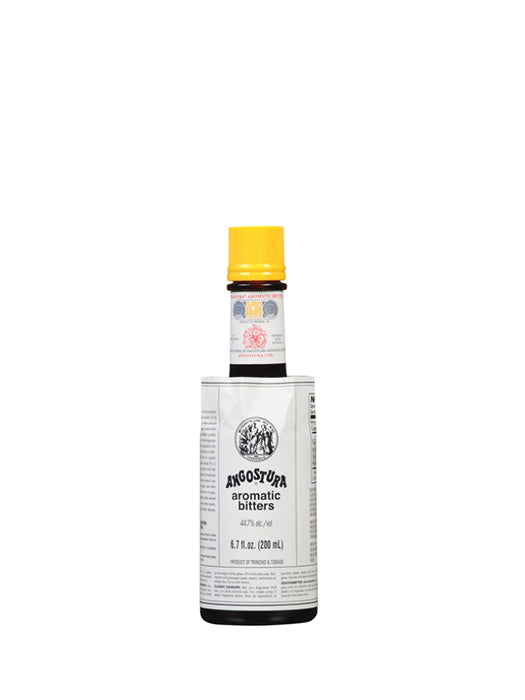


And a tincture, then?
A tincture , or tincture , is a concentrated infusion of a single ingredient (herb, fruit, spice) in a very strong alcohol, often over 60%. Unlike bitters, it contains no sugar or multiple flavoring agents. It is possible to make mixtures, such as a strawberry-kiwi tincture, but the flavor will not come out as pronounced as if it were made with a bitter base. Conversely, a tincture is much simpler to produce, requiring fewer ingredients and equipment, allowing you to add the missing touches to a cocktail without completely altering it.
Use: A few ultra-precise drops are enough to accentuate a specific taste in a cocktail. It acts as an aromatic "accent" rather than an element of overall balance. Often colorless or very little colored, it is best added to the glass after stirring everything to reduce the risk of dilution and loss of flavor intensity.
Marque
Addition Sage Cocktail Spice
$27.95
Unit price / perA tincture that stands out with an aroma that is rarely found in regular cocktails, bringing out an Umami side to your cocktails.
Bitter vs. Tincture
Bonus
There is also a "third" category, popularized by the company Fee Brothers , which are non-alcoholic bitters. These mixes are made with glycerin , which is another type of alcohol, but without any effects when consumed. Glycerin allows flavors to be extracted, but at a lower intensity than neutral alcohol, used for bitters and tinctures. That being said, it is also what allows "non-alcoholic" bitters to be made, adding complexity to mocktails in the same way as in a cocktail. It is also possible to use it in cocktails, allowing a subtle aroma to be added to the background of the mouth.
Some cocktail ideas with bitters and tinctures
-
Old Fashioned
- 2 oz bourbon
- 2 tbsp simple syrup
- 2 Dashes of Angostura Bitters
- Orange zest
-
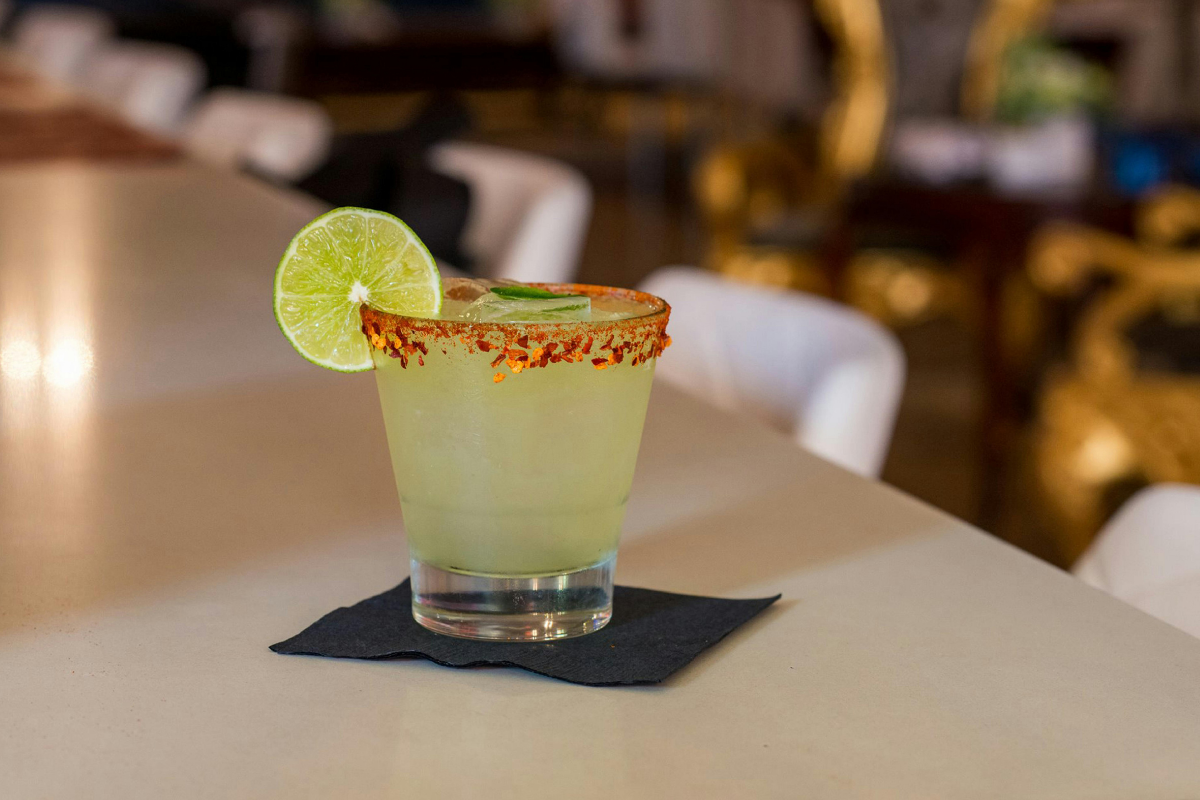
Spicy Margarita
- 1.5 oz of Tequila
- 0.5 oz Triple Sec
- 1 oz Lime Juice
- 0.5oz Simple Syrup
- 2 drops of Disco Inferno Liquid Heat Spicy Tincture
-
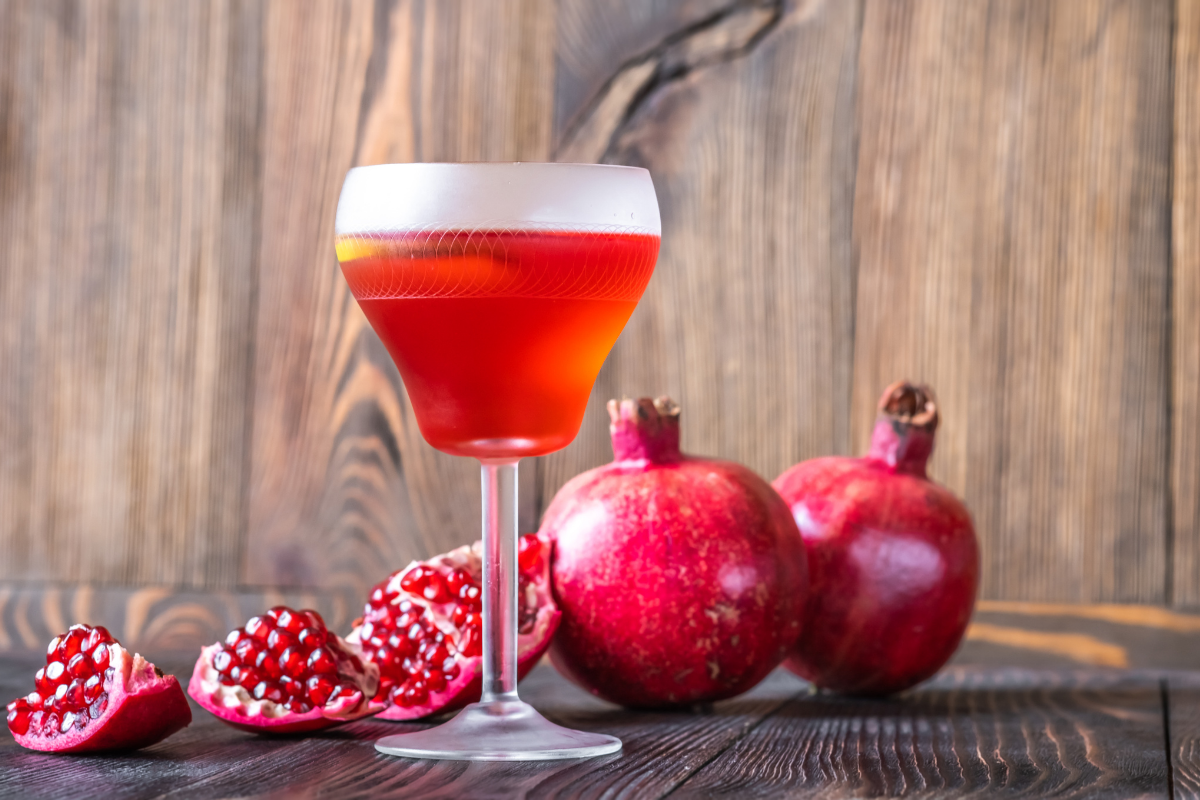
Grenadine Mocktail
- 2oz Tequila Alcohol Free HP Juniper
- 1oz Social Syrup Grenadine
- Fill with Club Soda
- 2 Dashes Fee Brothers Peach

In short
Choose a bitter when you want to balance a cocktail and give it aromatic structure.
Choose a dye if you are looking to highlight a specific note (sage, lavender, chili pepper, etc.).
Consider Fee Brothers bitters for a subtle touch and/or for your 100% alcohol-free mocktail creations.
These two ingredients complement each other and enrich your mixology repertoire.
Newsletter
Subscribe to the Vinum Design newsletter to receive our exclusive offers and promotions.
Our boutiques
Montreal
1480 City Councillors Street
Montreal (QC) H3A 2E5
info@vinumdesign.com
Opening hours and information
Quebec
355 Marais Street
Quebec (QC) G1M 3N8
infos@vinumgrappa.com
Opening hours and information
Montreal
1480 City Councillors Street
Montreal (QC) H3A 2E5
info@vinumdesign.com
Opening hours and information
Quebec
355 Marais Street
Quebec (QC) G1M 3N8
infos@vinumgrappa.com
Opening hours and information